Every robotics and world model company is hitting the same wall: not enough real-world data. LUCKEY turns billions of earbuds users into the world's largest egocentric data collection network — while giving consumers cinematic video they actually want. Current collection costs $75+/hr. Ours approaches zero.
Foundation models for robotics, world simulation, and embodied intelligence require massive amounts of real-world egocentric data. Current collection methods can't scale.
Research labs hire people to perform tasks while wearing cameras. Expensive, limited diversity, artificial behavior. It doesn't scale beyond a few thousand hours.
Teleoperated data only covers lab environments — kitchens, tabletops, warehouses. It misses the vast diversity of real human life: commuting, cooking, exercising, socializing.
Oasis, SORA, Genie 2 proved real-time world simulation from video is possible. Ego-to-exo synthesis — impossible 2 years ago — now runs in seconds.
NVIDIA EgoScale (Feb 2026): log-linear scaling with no saturation at 20K hours. Every robotics company is desperate for egocentric data. Supply is 100K hours total — demand is millions.
AI doesn't need 30fps video — it learns from sparse keyframes + IMU data. This means ultra-low power, all-day battery, and always-on data collection. Competitors record for human eyes (high framerate, short battery). We record for AI (sparse, structured, all day). Combined with mature TWS supply chains and on-device AI chips, BOM under $80 is achievable today.
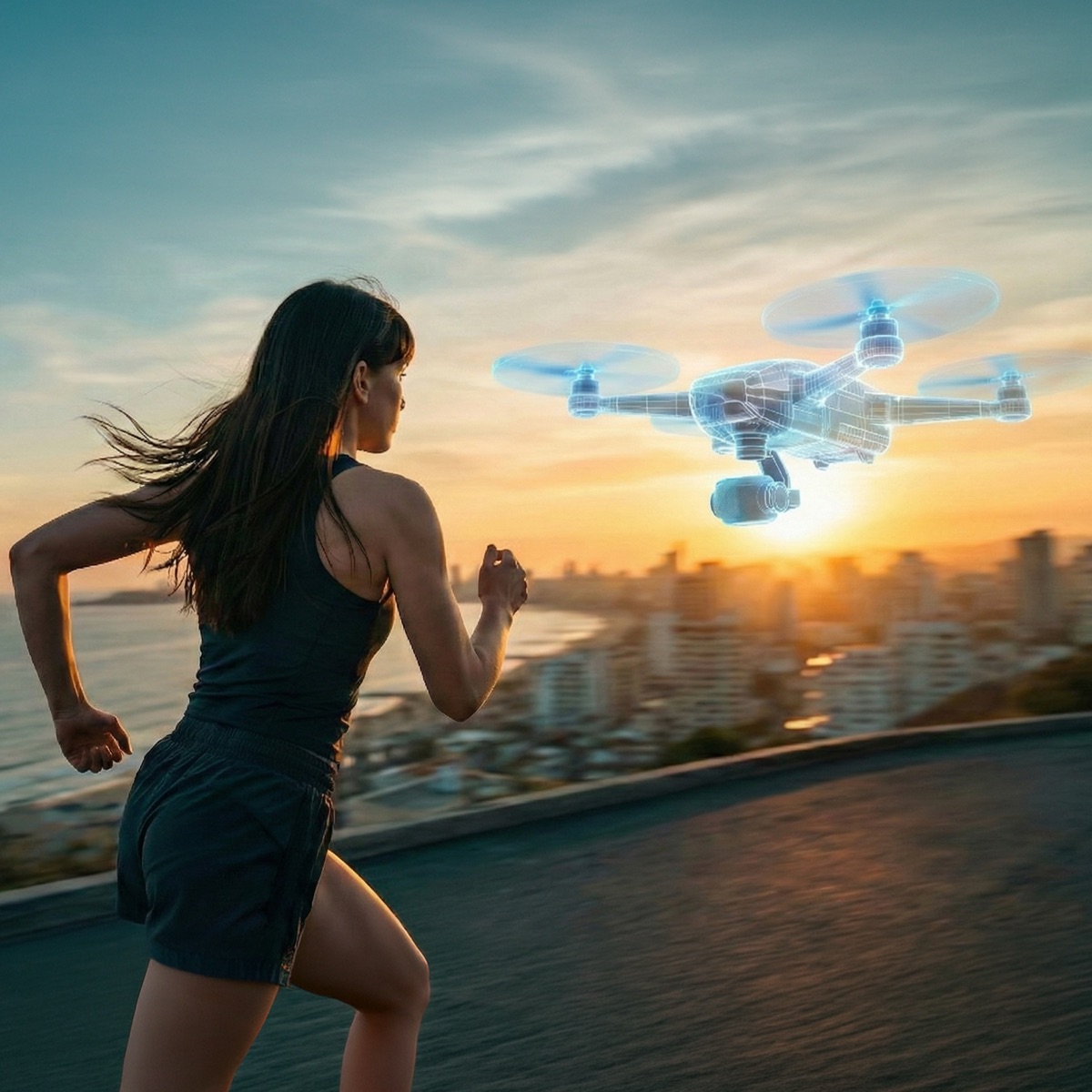
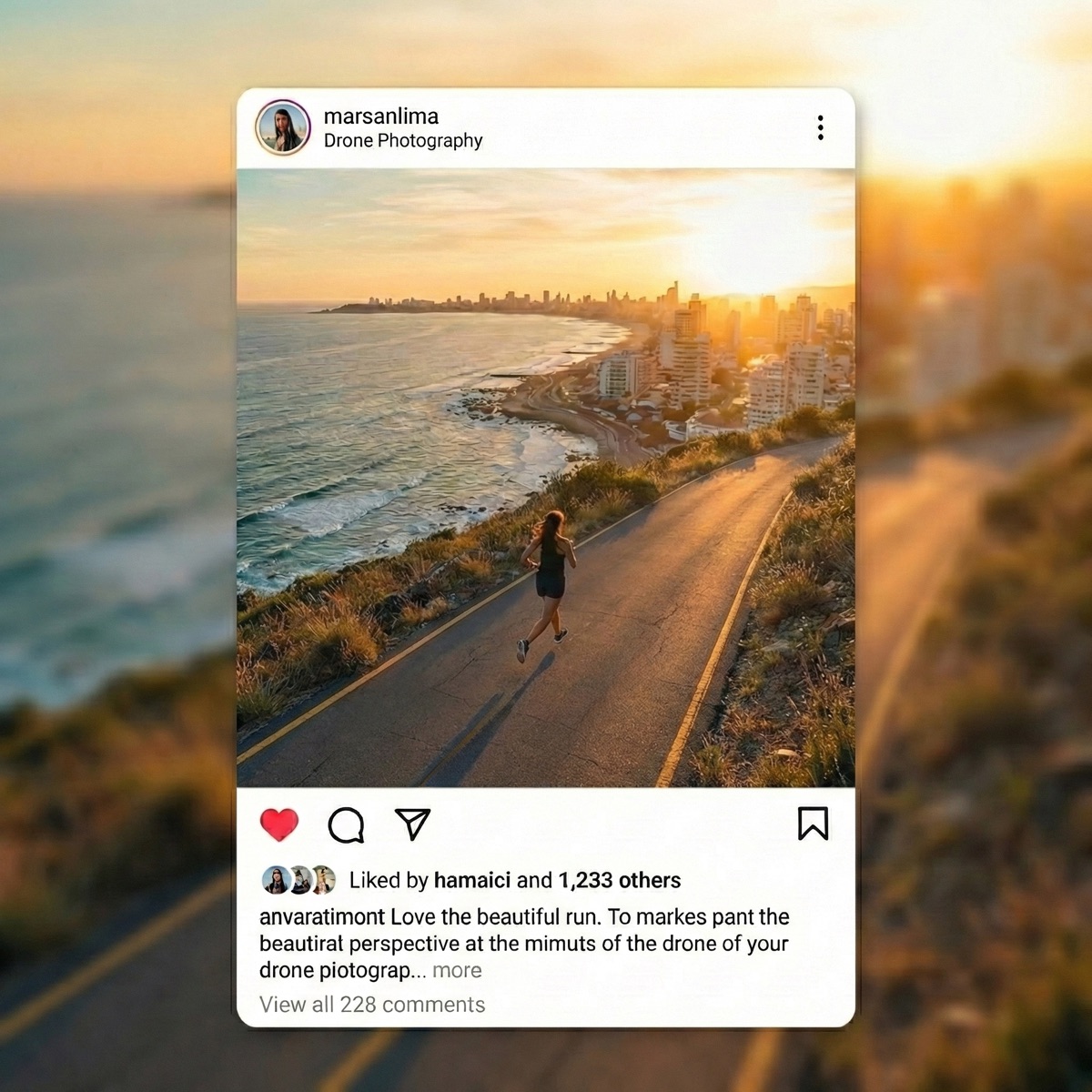
Just wear them, and get cinematic video as if a drone were following you. We get the industry's scarcest first-person data. Win-win, at near-zero marginal cost.
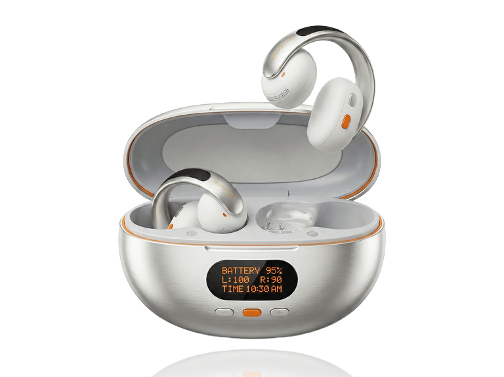
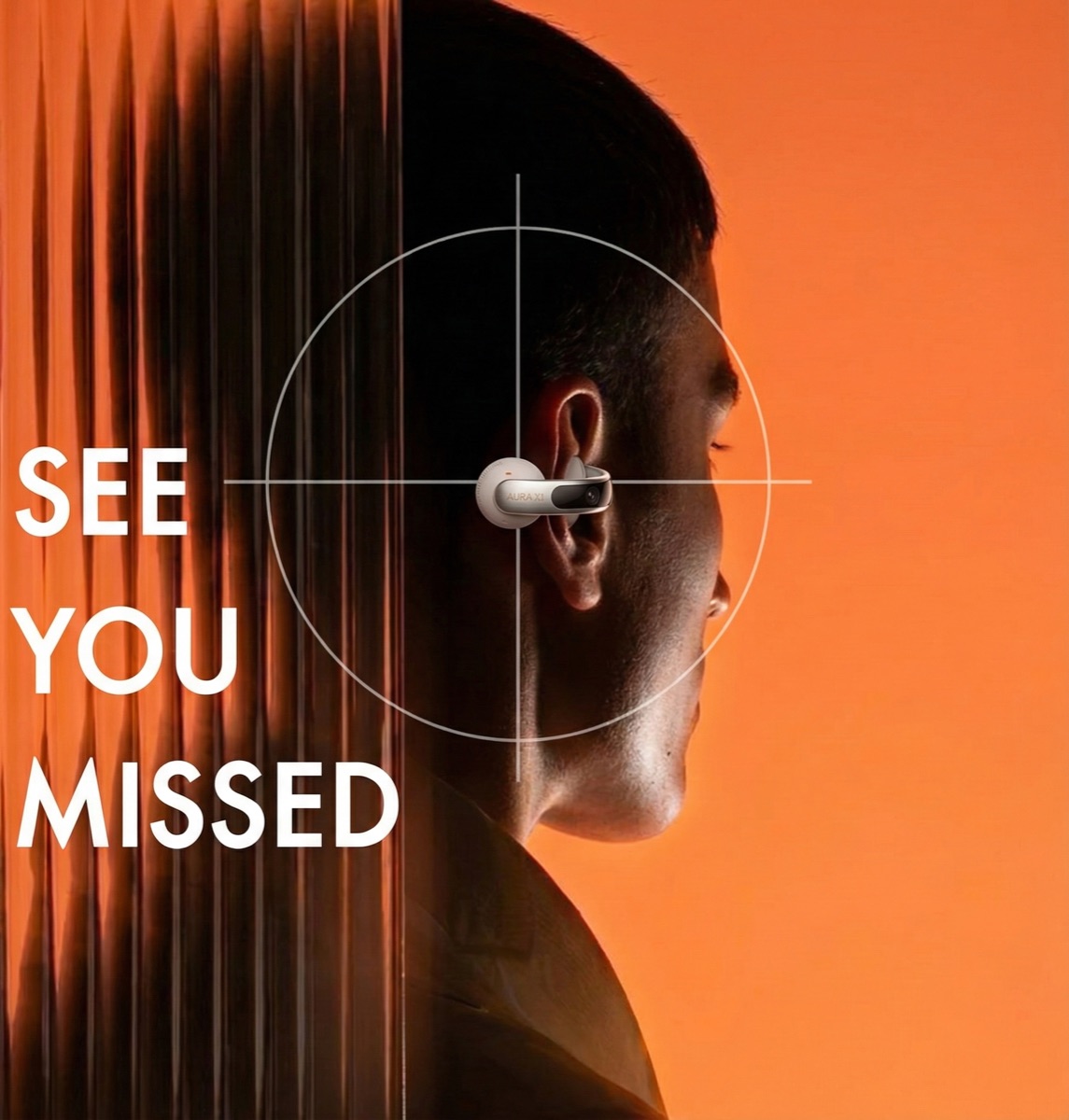
AURI X1 is a pair of camera earbuds — fisheye lenses mounted at the ear, the most biomechanically stable point on the human body. Users wear them to exercise, commute, and live their lives while listening to music. The cameras capture continuous 360° wide-angle egocentric video.
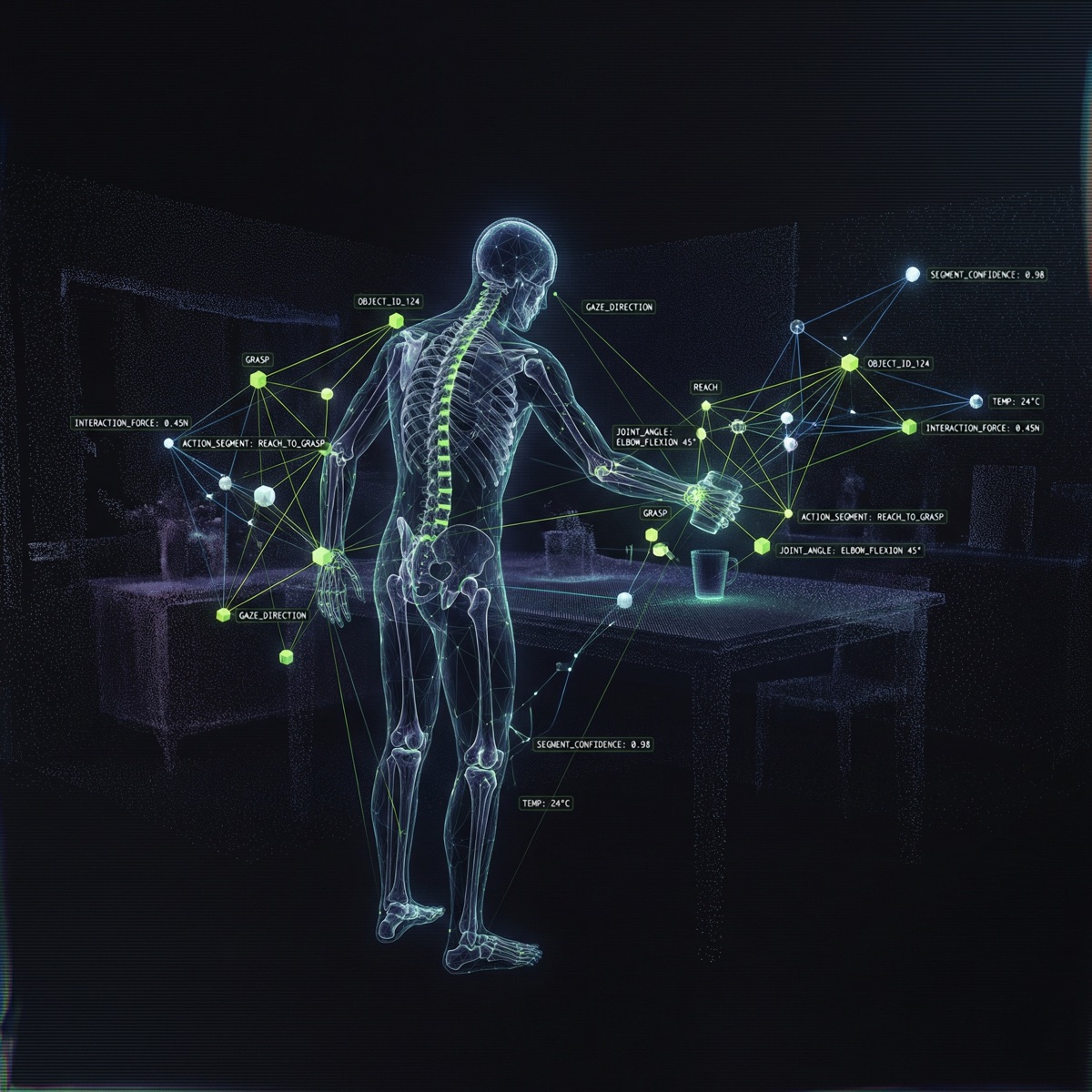
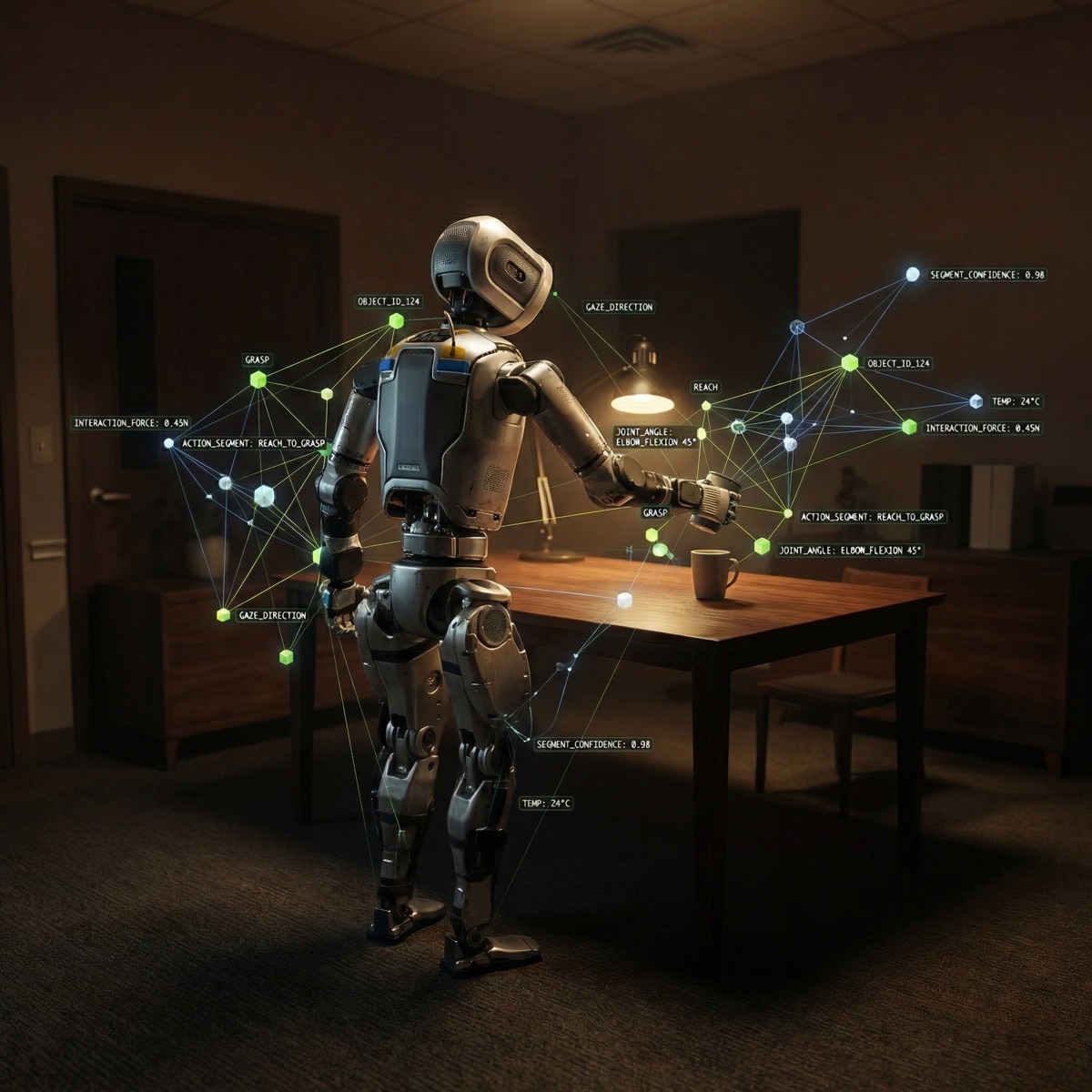
World model technology transforms raw footage into structured embodied data: skeleton trajectories, action semantics, object interactions, 3D scene reconstructions. This texture-level information contains no personal privacy — robotics companies can use it directly for training.
Dual ear-mounted fisheye cameras capture 360° surround ego-centric video. Built-in IMU tracks head motion. High-quality earbuds make it worth wearing all day.
Our pipeline extracts skeleton pose, hand-object interactions, action segmentation, camera ego-motion, and scene geometry from raw fisheye video.
Structured data is packaged per customer spec and delivered via API. Users receive AI-rendered cinematic videos. Data buyers get training-ready datasets.
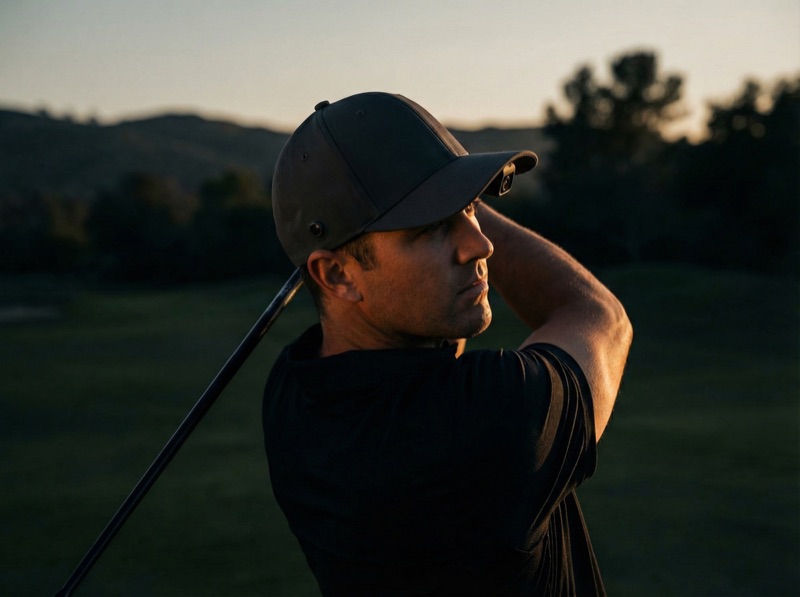
Wear AURI X1 while running, cycling, cooking, or traveling. AI transforms ego-centric footage into cinematic third-person video — follow-cam, orbit shots, hero moments.
Every minute of user activity generates training data for robotics, world models, and embodied AI. Our distillation pipeline outputs structured data mapped to customer schemas.
The same world model AI works across any head-mounted camera. We start with earbuds — the easiest form factor to mainstream — then expand to scenarios that attract audiences to buy. Content naturally drives sales, and sales drive data diversity.
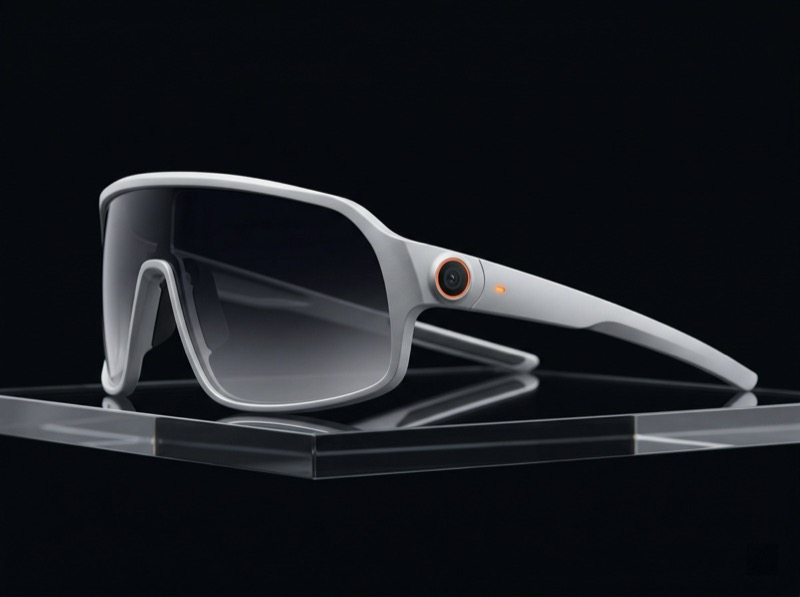
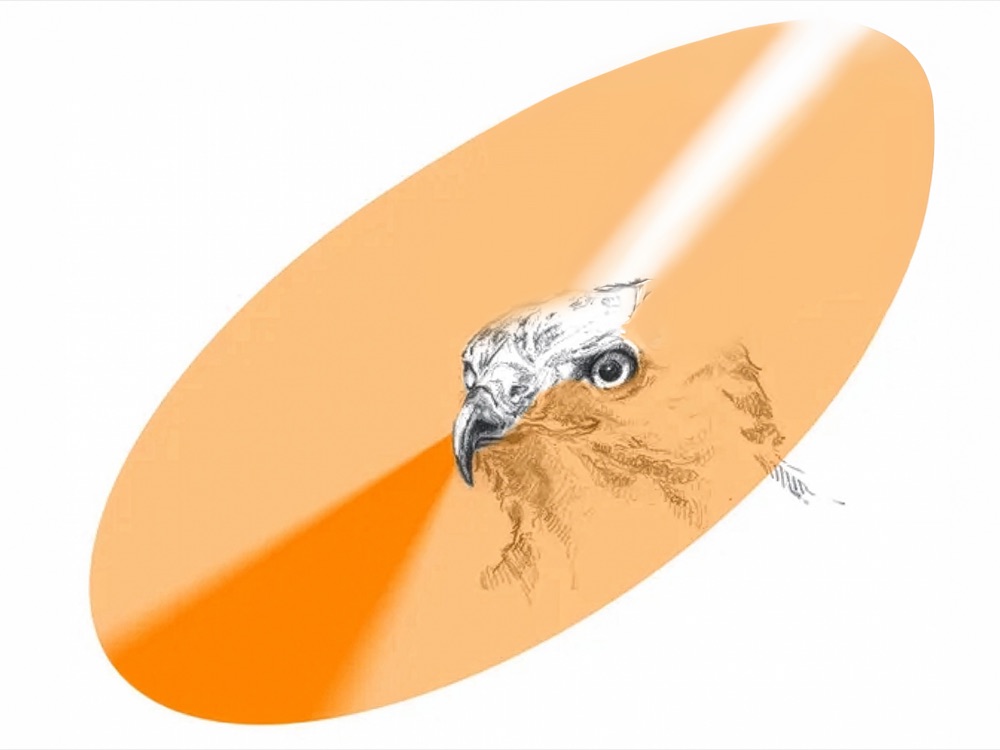
Smart glasses sit on the front of your face — same direction you're looking, narrow FOV, same blind spots. The ear sits on the side, like an eagle's eye. It captures forward, backward, above, and below simultaneously. This lateral position is why dual-ear cameras achieve 360° coverage that front-facing glasses physically cannot. It's also the body's most stable mounting point — the natural pivot of head movement, a biological gimbal.
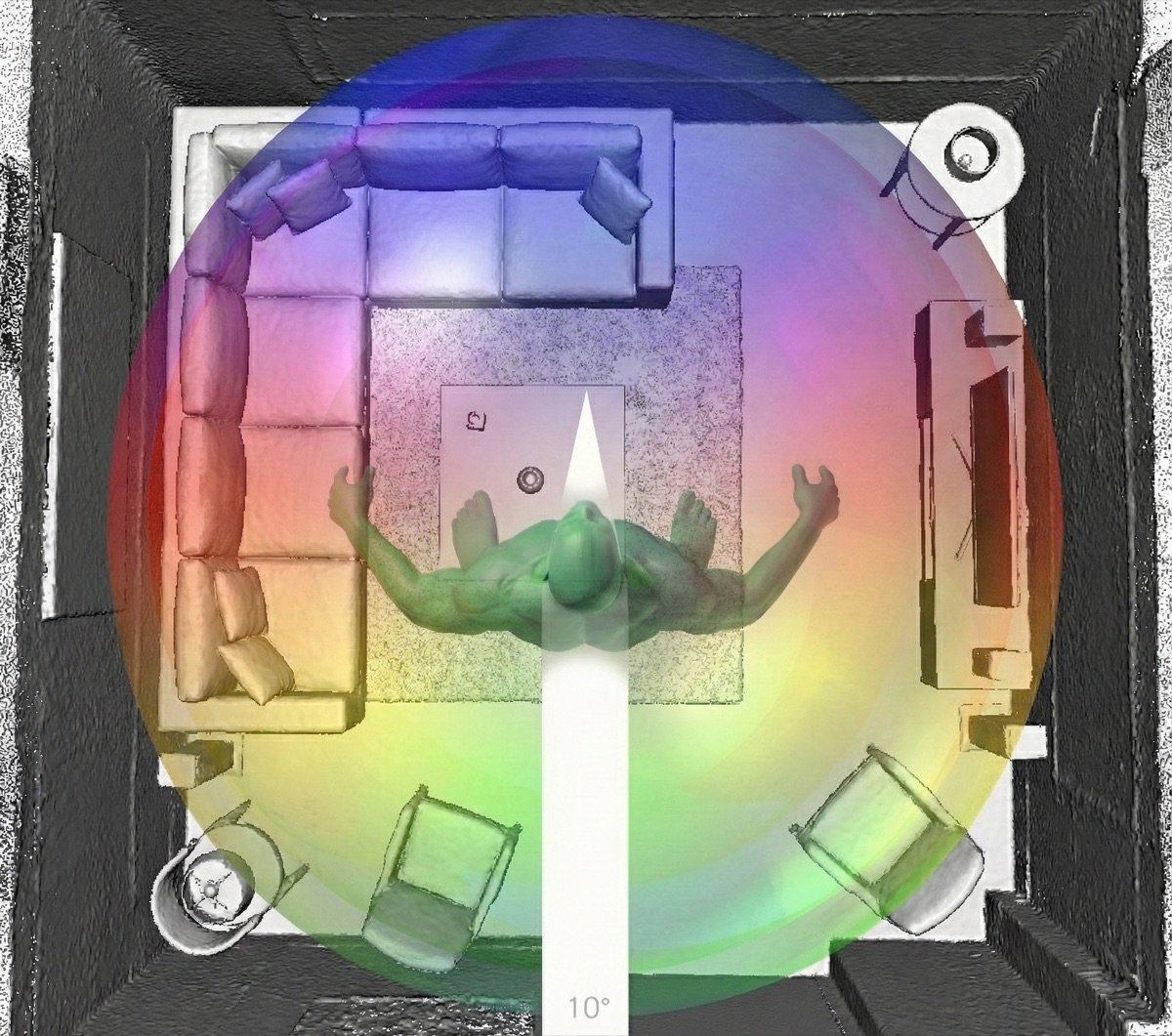
Dual fisheye lenses — one on each ear — together capture a full 360° panoramic field of view. Forward environment, peripheral context, rear coverage, AND the wearer's own body (shoulders, arms, legs) — all captured simultaneously. This complete spatial awareness is what makes ego-to-exo reconstruction and predictive safety possible.
500M+ people already wear earbuds daily. No new behavior required. No social stigma of camera glasses. Invisible, natural, all-day wearable. The best data collection device is one people already want to use.
Skeleton extraction from partial body visibility + IMU fusion. Fisheye distortion-aware models trained on our proprietary ego-view data.
Volumetric 3D scene via Gaussian Splatting. Camera ego-motion estimation. Object detection and tracking across frames.
VLM-powered action segmentation, hand-object interaction graphs, task phase annotation. Structured output mapped to customer schema.
Ego-to-exo view synthesis. Autonomous cinematography: follow-cam, orbit, hero shot. Neural rendering with style transfer for consumer output.
85 patent claims filed under PPA 63/999,137 covering 16 subsystems:
Competitors solve pieces. LUCKEY is the only company combining consumer wearable hardware + ego-to-exo AI + structured data pipeline for Physical AI.
| LUCKEY | Ray-Ban Meta | GoPro | Build AI | |
|---|---|---|---|---|
| Hands-free capture | ✓ | ✓ | ✗ | ✓ |
| 360° surround view | ✓ | ✗ | ✗ | ✗ |
| Ego-to-exo AI synthesis | ✓ | ✗ | ✗ | ✗ |
| Structured data for robotics | ✓ | ✗ | ✗ | ✓ |
| Consumer incentive (viral video) | ✓ | △ | ✓ | ✗ |
| Zero social stigma | ✓ | ✗ | ✗ | ✓ |
| Near-zero marginal data cost | ✓ | ✗ | ✗ | ✗ |
Tesla's insight wasn't the car — it was turning millions of drivers into free data labelers. Every mile driven improves FSD for everyone. LUCKEY applies the same logic: every minute a user wears our earbuds generates egocentric data that trains world models and robot AI.
"20,854 hours of egocentric video → 54% improvement in robot dexterity.
Log-linear scaling with R²=0.9983. No saturation observed."
More users → more diverse data → better AI output → better consumer experience → more users. The flywheel that makes egocentric data abundant and cheap while competitors pay $75+/hr.
Raw ego video is commodity. Our proprietary pipeline that extracts structured embodied data — skeleton trajectories, action semantics, interaction graphs — from fisheye ego-view is the real barrier. Optimized for our hardware's specific optical characteristics.
5-tier distributed computing: data processed locally first (device → phone → charging station). B2B customers only receive anonymized, structured data. Users own their raw data. Hardware-rooted Reality Anchor provides cryptographic proof of authenticity in the deepfake era.
The company that owns the world's largest egocentric dataset becomes the default data layer for Physical AI — whether as an independent platform or as a strategic acquisition target for any company building embodied intelligence.
Hardware is the entry point. Subscription is retention. Data licensing is where the real value compounds.
Kickstarter at $299, retail $399. BOM target under $80. The device consumers want to wear. The data collection infrastructure enterprises need deployed.
$9.99/mo for ego-to-exo cinematic rendering, cloud processing, AI-triggered highlights, and 3D reconstruction features.
Anonymized, consented egocentric data sold to robotics and world model companies. Per-hour pricing. Structured data at premium. Raw video at standard. Custom schemas for enterprise.
Forbes 30 Under 30 (Consumer Technology). Youngest-ever Red Dot Design Award: Best of the Best recipient (age 19). BMW 2040 Concept Car Design Competition global champion. 33 granted patents. Tsinghua University. Invented Nums Ultra-thin Smart Keyboard — globally distributed, 1M+ units sold.
Stanford CS. Co-created Oasis (Israel) — world's first real-time playable world model. Former scientist at World Labs (Fei-Fei Li). ICLR 2026 first author (Percy Liang). Chose to join LUCKEY over MIT, Berkeley, and Stanford PhD offers.
Ex-Google 7 years (multiple hardware & software products, Mountain View). Hong Kong Polytechnic University. UCLA Anderson MBA. Deep global supply chain network. Leads end-to-end product realization.
Avin Wang (Meta Superintelligence Labs, Stanford CS) · Yilin Zhu (Apple ML, Stanford CS PhD, Vision Pro Avatar) · Jing Wang (Ex-Microsoft 5.7yr, AI Agent/LLM/RAG) · Yuhang Shi (Oxford DPhil, Medical Imaging AI, SAM 2 3D) · Growing network across Stanford, Tsinghua, CMU, and Silicon Valley.
The world's robots will learn from the world's people.
We're building the infrastructure to make that happen.
Shawn Gong — CEO / Founder